Large-scale removal of invasive Prosopis species in the Upper Karoo, converting biomass into certified biochar carbon credits while restoring degraded farmland and creating permanent local employment.
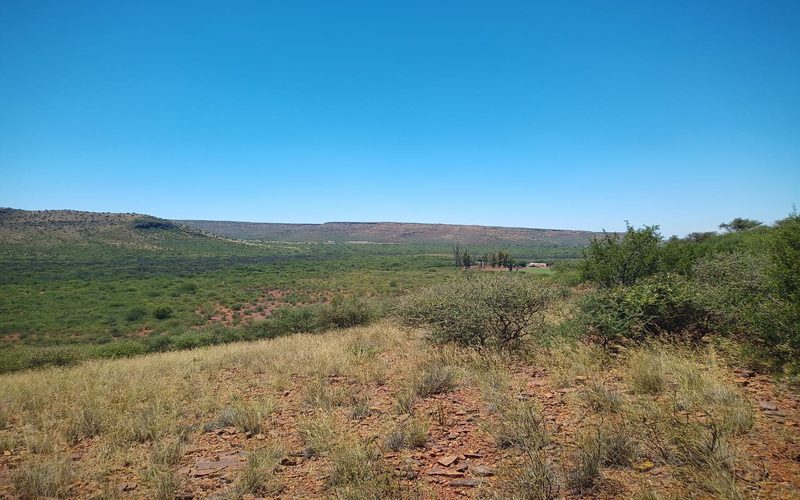
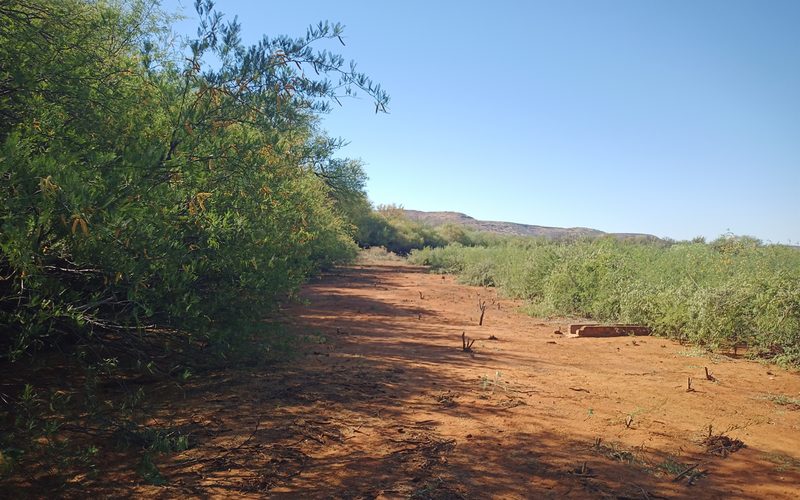
South Africa faces an environmental crisis with over 25 million hectares invaded by alien plant species — an area equivalent to the entire United Kingdom. In the Northern Cape's Upper Karoo, one of the country's driest and most isolated regions, invasive Prosopis is placing severe pressure on an already fragile water table, accelerating land degradation across vast stretches of farmland.
Farming in the area is limited to sheep grazing and small-scale irrigation along the Orange River. Approximately 150,000 hectares of previously productive farmland is now utterly unusable. Municipalities, farms, and conservancies lack the resources to address the problem, and government funding for invasive plant removal has dropped 85% in the last five years.
Invasive alien plants consume approximately 35 trillion litres of water annually in South Africa, growing at a rate of 5-10% per year.
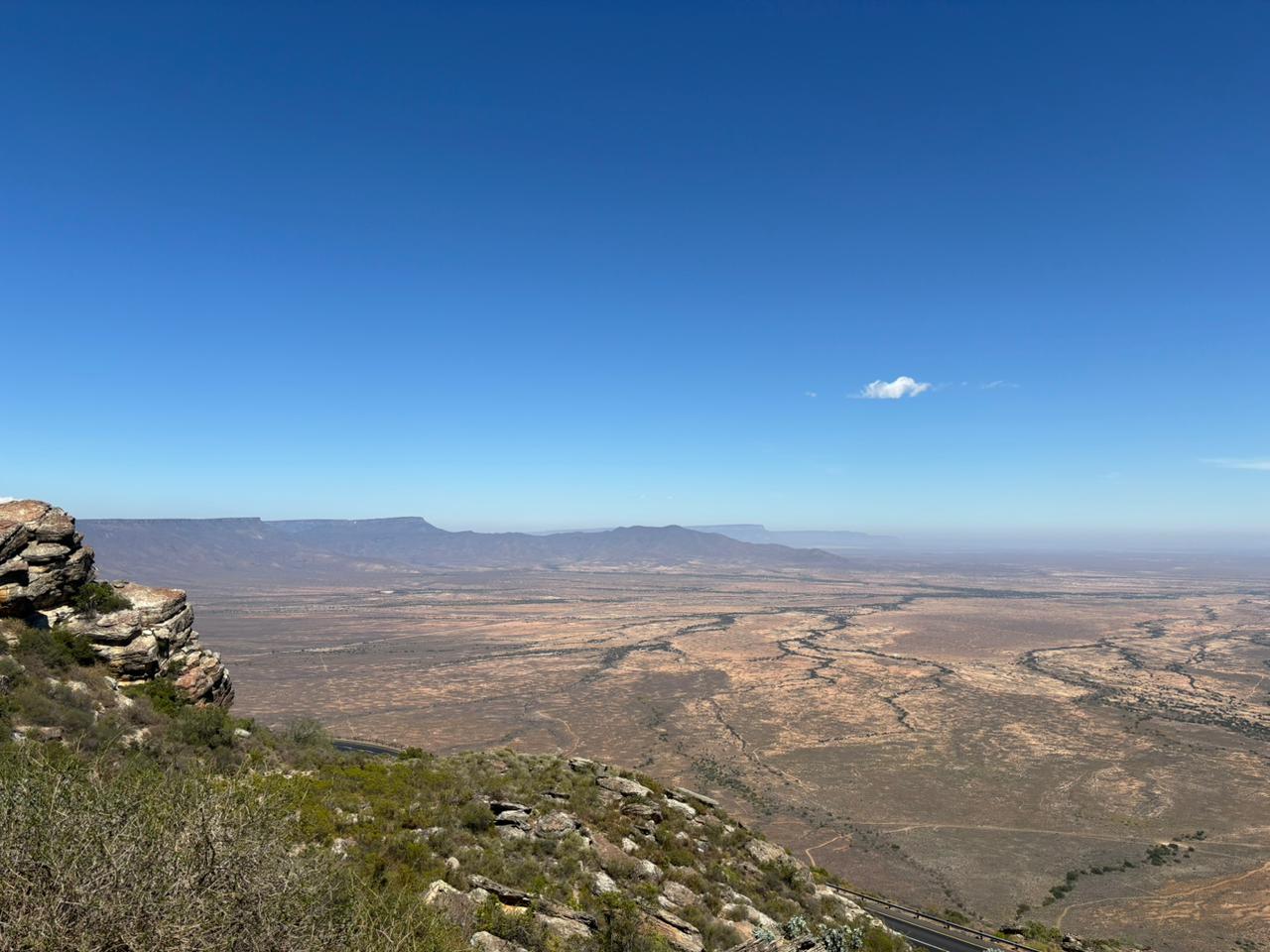
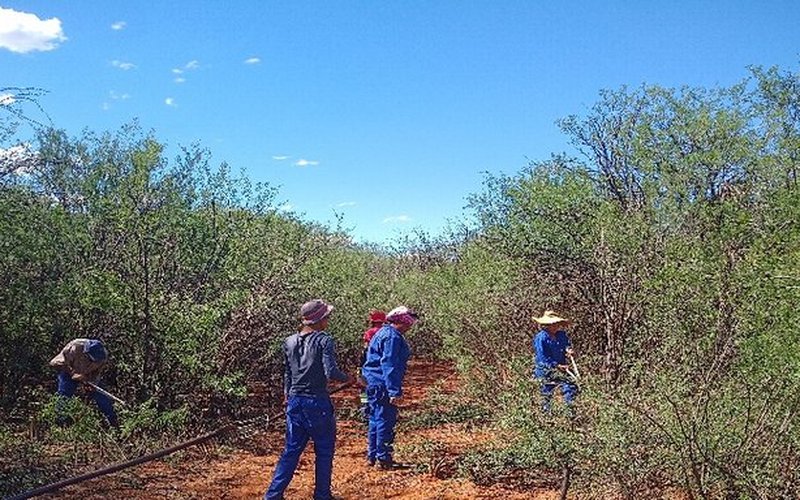
The pilot project initially covers 8,000 hectares, with expansion planned across a further 200,000 hectares. ASH is creating projects to remove invasives from farmland at no cost to the farmer, ensuring landowners participate in the revenue structure and receive additional funds to rehabilitate their farms.
The initial focus is on Artisan Biochar projects due to their immediate impact on local job creation and agricultural upskilling. Invasive biomass is harvested and converted into biochar through pyrolysis using Kon Tiki kilns operating at 600-800 degrees, with real-time temperature monitoring to ensure complete carbonisation.
The biochar produced is used in land rehabilitation and community applications, while the carbon credits generated are certified under internationally recognised standards including the Global Artisan C-Sink Standard from Carbon Standards International.
7-10 artisan sites, each employing 55-80 workers directly. Regeneration of the water table at approximately 5 billion litres per year. Re-availability of productive land for agriculture and livestock farming.
15,000-26,000 hectares of cleared land. Re-availability of land for positive rewilding, biodiversity gains, and eco-tourism economic opportunities.
26,000-103,000 hectares of cleared land across the project. Re-availability of land for power generation contributing to solving the national power deficit. Approximately 100 billion litres of water regenerated over the project lifetime.
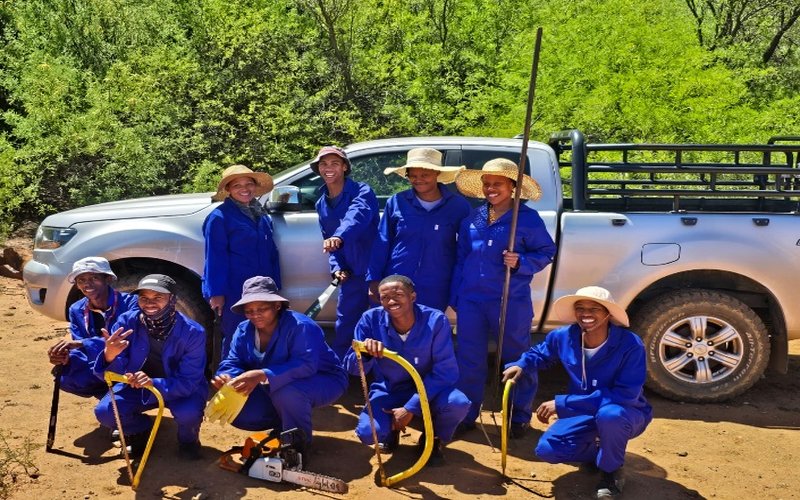
Employment in the Upper Karoo is largely seasonal and low-paid, with high local unemployment, particularly among women. The project creates long-term permanent employment through biomass harvesting and biochar production, with additional opportunities unlocked as regenerated land is repurposed for productive and sustainable use.
Permanent employment across artisan sites in harvesting, processing, and operations.
Supporting the broader local economy through supply chains, transport, and services.
Systematic land restoration across 103,000 hectares over the 20-year project lifecycle.
The project is managed under the Global Artisan C-Sink Standard from Carbon Standards International, with Puro.earth certification for carbon credit issuance. Rigorous environmental safeguards and third-party verification ensure the highest integrity.
100% invasive feedstock (Prosopis). No native forests are affected. Removal actively restores productive farmland and natural habitats.
No competition with food production or community resources. No indirect land-use change. Existing farmland is maintained and enhanced.
Credits issued only for net carbon removed, accounting for all energy inputs and collection emissions. Third-party verification through recognised standards bodies.
This project directly addresses multiple UN Sustainable Development Goals through its integrated approach to environmental restoration, community employment, and sustainable economic development.
Request our full project document for detailed technical specifications, certification methodology, and partnership opportunities.